Mistfall Hunter Gem Guide: How to Socket and Use Gems
Quick answer: In Mistfall Hunter, a gem is a socketable stone that carries named affixes. Socket a gem into compatible gear and it adds its affixes to that item, stacking with the gear’s own rolls to push you past stat breakpoints. The four families are Agate (defense and ward), Amethyst (resilience and warding), Moonstone (spellcraft, healing, and support), and Peridot (offense and physical damage).
[!tip] Affixes matter more than raw rarity. Community consensus is that a correctly gemmed green item often beats an empty blue — because the gem affixes are the stats your build actually scales with. Do not leave sockets empty.
[!note] Where to get gems: gems drop in raids, but the fastest way to fill a specific socket is to buy the exact gem from the Auction House. Gems are also the last piece of many affix breakpoints.
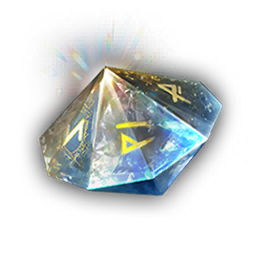
What Are Gems in Mistfall Hunter?Permalink to this section
A gem is not a flat stat item — it is an affix carrier. Each gem is printed with one or more named affixes (for example Aegis, Tenacious, Fervor, or Ranged) and a level. When you socket the gem into a compatible piece of equipment, those affixes are added to that item. They then combine with the item’s inherent affixes and with temporary buffs such as Victory Wine from the tavern.
That is why gems sit at the centre of build craft: they let you tune a loadout toward exact thresholds instead of relying on whatever the gear rolled.
The Four Gem FamiliesPermalink to this section
Every gem belongs to one of four stone families, and the family tells you what the gem is for:
| Family | Focus | Typical use |
|---|---|---|
| Agate | Defense and ward | Frontline and bruiser survivability |
| Amethyst | Resilience and warding | Anti-debuff and magic mitigation |
| Moonstone | Spellcraft, healing, support | Casters, healers, and support builds |
| Peridot | Offense and physical damage | Melee and ranged damage builds |
The full list lives in the gem database, browsable by family: Agate, Amethyst, Moonstone, and Peridot.
How to Socket a GemPermalink to this section
- Open the relevant item in your equipment or inventory screen.
- Check the socket — sockets are tied to equipment level, and a gem’s level cannot exceed the equipment’s level.
- Select the gem you want and socket it; its affixes are added to that item.
- Re-check your breakpoints — socketing often pushes a stat from just-under to just-over a threshold, which is the whole point.
[!warning] Masterwork gems are a real currency. Spending a rare gem on a piece of gear you will replace tomorrow is wasteful. Decide your next upgrade target before you socket, and see the equipment forging guide for what you can build instead.
Gem Levels and the Gem EconomyPermalink to this section
Gems come in levels. Community game-data counts show the Level 2 pool is far larger than Level 1 — roughly 264 Level 2 gems versus 51 Level 1 gems — which means most of the gem market and most build guides are written around Level 2 stones. Higher-level gems carry stronger or additional affix contributions, so upgrading a socket is usually an upgrade to the build behind it.
Because gems are tradeable, the Auction House is the reliable way to source a specific stone. Prices move with the meta: when a class build becomes popular, the gems that build needs get expensive.
Where to Get GemsPermalink to this section
- Raid drops. Gems drop from enemies and containers during runs — extract them to keep them.
- The Auction House. The fastest way to get an exact gem for a socket; see Auction House.
- The Mall and vendors. Some shop offers and rewards include gems or gem-adjacent items — see vendors.
- Special gems. Some gems are not socket fodder at all — for example Gem of the Gods is tied to camp progression, not a gear socket, so check before you spend it.
Gems, Affixes, and Build BreakpointsPermalink to this section
Gems do not work in isolation. They are one of three affix sources stacked together:
- Inherent gear affixes — the stats rolled onto the item itself.
- Gem affixes — added by socketed gems.
- Temporary buffs — tavern consumables such as Victory Wine.
Build guides plan all three together to hit a target, which is why “which gems do I socket?” is really “which affixes does my build need?” See the affix guide for the full modifier list and per-class priorities.
FAQPermalink to this section
What do gems do in Mistfall Hunter? A gem adds named affixes to the equipment it is socketed into. Those affixes stack with the item’s own rolls and with buffs, which is how builds reach specific stat breakpoints.
How do I socket a gem in Mistfall Hunter? Open the item, confirm the socket (gem level cannot exceed equipment level), select the gem, and socket it. Then re-check the stat thresholds your build is aiming for.
What are the four gem types in Mistfall Hunter? Agate (defense and ward), Amethyst (resilience and warding), Moonstone (spellcraft, healing, and support), and Peridot (offense and physical damage).
Where do I get gems in Mistfall Hunter? From raid drops, from the Auction House (fastest for a specific gem), and from some vendor, Mall, and reward sources. Tradeable gems mean the market is the reliable route to an exact stone.
Are gems more important than gear rarity in Mistfall Hunter? Often yes — community consensus is that a correctly gemmed lower-rarity item can outperform an empty higher-rarity one, because the gem affixes are what your build scales with.
Related PagesPermalink to this section
- Gem Database — every gem by family and level
- Affix Guide — the stats gems provide and per-class priorities
- Auction House — buying the exact gem you need
- Equipment Forging — building gear to socket gems into
- Builds — the loadouts these gems complete
- Vendors — camp shops and the Mall
- New Player Guide — gems in your first hours
SourcesPermalink to this section
- mistfallhunter.run — Affixes and Gems: How Builds Work
- egamersworld — Mistfall Hunter Affixes Guide: sockets, slotted gems, Auction House
- Reddit r/MistfallHunter — should I apply gems to equipment before every run?
- YouTube — Mistfall Hunter Gem Crafting Guide
- Steam Community — Aegis affix/gem behaviour discussion